Return to This Live Album to Understand Everything Bob Dylan Has Become
Critics and fans were utterly dismayed. Today, it's his standard operating procedure.

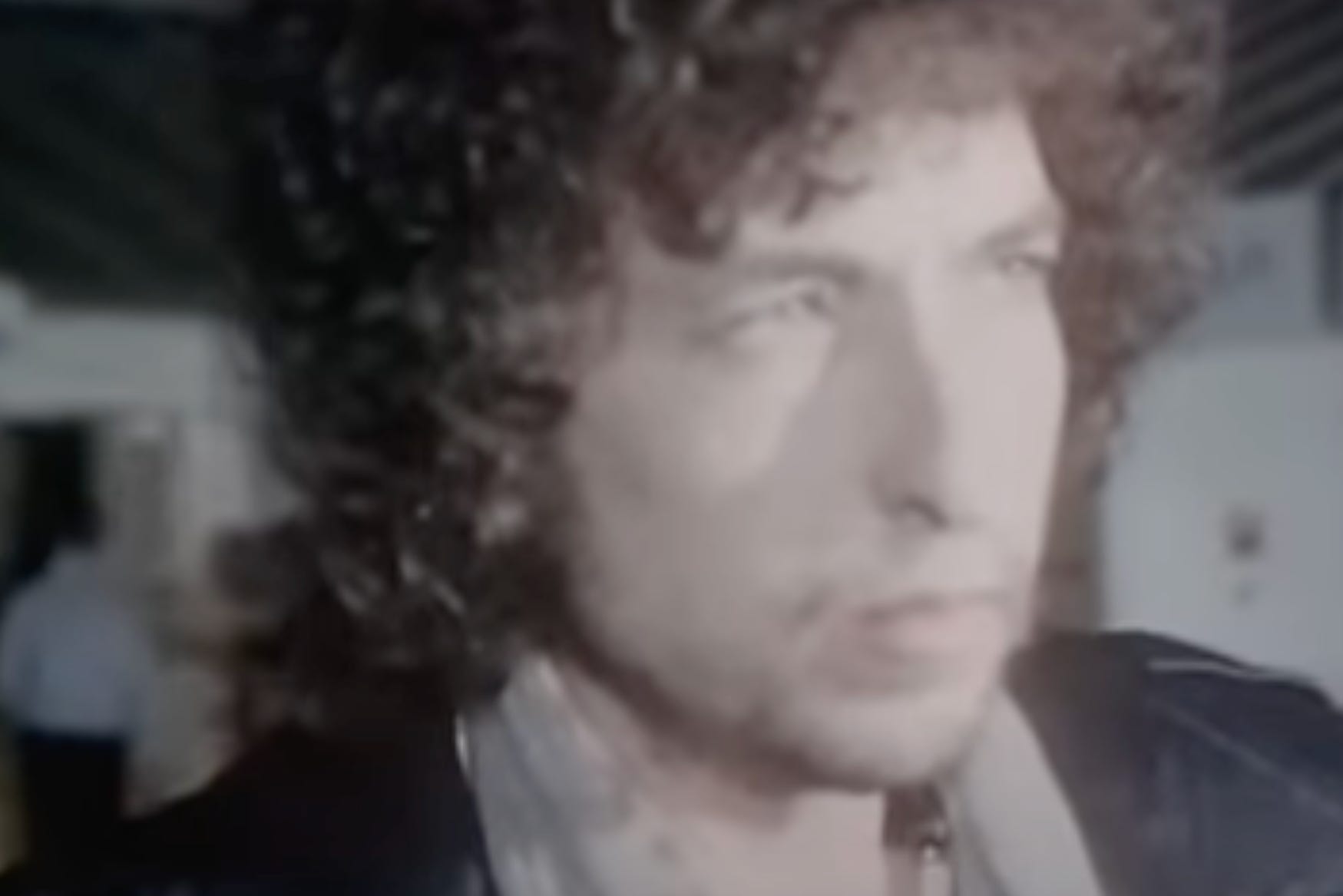
Initially arriving this week in 1979, Bob Dylan at Budokan was a willful deconstruction of the legend that had built up around his work. He’d never stop.
In fact, this gold-selling Top 20 live LP’s radical re-imagining of his most familiar songs would become a hallmark of Bob Dylan’s concert approach from then on. At the time, however, some critics and fans were utterly dismayed.
Fast forward a few decades, and the album is actually open to more criticism for its sluggish, large-band approach to music making than for Dylan’s impetuous fiddling with the original arrangements: Steve Douglas offers a garrulous sax when he’s not ruining things with a flute, while something like a half-dozen background singers wail. But dig beneath that Phil Spector-ish avalanche of sound, and you’ll find a few moments of entertaining musical showmanship – not to mention some of the better late-career vocal performances from Dylan.
There’s just a lot of digging to do in this period-piece on-stage presentation.
Recorded in Japan during his performances on Feb. 28 and March 1, 1978, Bob Dylan at Budokan could rightfully be called “a shock, a sacrilege and an unexpectedly playful bonanza,” as Janet Maslin wrote in Rolling Stone at the time. Most have focused on the “sacrilege” part, but in retrospect, Dylan would never be the same. Every show became a chance to pull apart the myth that surrounded his work.
“Like a Rolling Stone” had lost much of the force it gathered when Dylan reworked the song for his 1974 tour with the Band, and “Knockin’ on Heaven’s Door” sounded awfully weird as a reggae number, but he was still able to add new shadings to more recent offerings like “Oh, Sister” and “Shelter From the Storm.” “I Want You” may have slowed to a yawning crawl, but “Is Your Love in Vain” opened up new wells of unexpected emotion.
All of this seemed to get lost in the vitriol over the first, without regard to the latter. It was as if some changes mattered less because the songs were less familiar. Was Bob Dylan at Budokan “a very contentious effort – and, for the most part, a victorious one” (as Maslin said) or filled with songs to be pitied because of their “slipshod treatment” (as the self-proclaimed “Dean of Rock Critics” Robert Christgau wrote)?
Maybe, in the end, Bob Dylan at Budokan was a little of both. What it’s not, at least not anymore, is all that shocking.
Amazon bestselling rock-band biographer Nick DeRiso’s upcoming book is ‘Forever Young: How the Band and Bob Dylan Made the Only ’60s Music That Still Matters.’ Due later in 2025. www.nickderiso.com.